Published on 12 October 2026 by Teacup Yorkie
The Yorkshire Terrier, a beloved toy dog breed, is known for its spunk and companionship, but not all Yorkies are created equal in size. From the diminutive Teacup Yorkie to the sizeable Giant Yorkie, these canines offer diversity in a tiny package.
The American Kennel Club (AKC) sets the weight ceiling for the standard Yorkie at 7 pounds, but some Yorkshire Terriers break through this boundary, astonishingly growing beyond the Yorkie breed size norms. On the other side of the spectrum, the petite Teacup Yorkie, not officially acknowledged by breed standards, teeters on the edge of fragility, weighing in between 2 and 4 pounds.
Despite the allure of miniature dogs, potential Yorkie owners should exercise caution, as the health of a canine companion is paramount. The AKC Yorkie standard provides guidelines designed to ensure the well-being of these charming dogs, ensuring they lead full and vibrant lives. With proper knowledge and awareness, dog enthusiasts can navigate the vast terrain of Yorkshire Terrier sizes, from the Teacup to the Standard and, occasionally, the Giant Yorkie.
Understanding Yorkshire Terrier Breed Sizes
Decoding the petite physique of Yorkshire Terriers begins with a study of Yorkie sizes explained in relation to Yorkshire Terrier breed standards. This exploration is not only an intriguing immersion into the breed’s variety but also a critical step for owners in identifying the needs and potential health considerations for their charming companions. The following discourse will dissect the notable distinctions between Standard, Teacup, and the unofficial “Giant” Yorkies. In addition, a Toy breeds comparison will place the Yorkshire Terrier within the broader context of similarly sized companions.
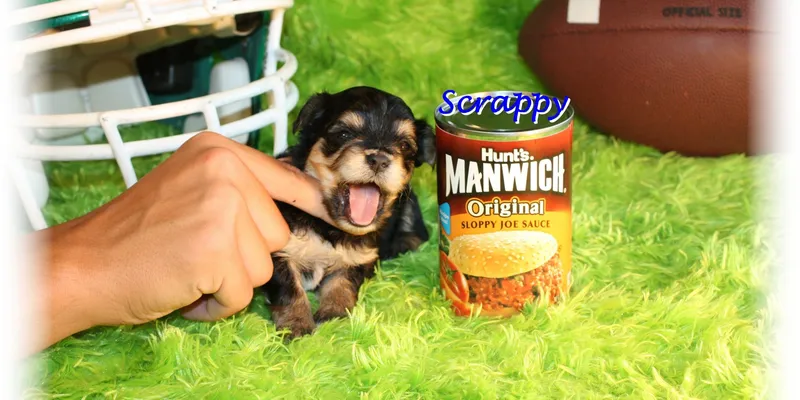
A discerning eye toward the AKC Yorkie size designation reveals considerable insights into the breed’s characteristics. A juxtaposition of other toy dog breeds against Yorkies further illustrates the modest range these canine varieties encapsulate. Here’s how the Yorkshire Terrier stands in the panorama of toy breeds:
The breed’s square-measured counterparts, such as Chihuahuas and Pomeranians, present an intricate scale often weighed by potential owners and enthusiasts. Albeit close in proximity to these breeds, the Yorkie tends to offer a unique balance between size and personality. To encapsulate Yorkies’ frame, height, and corresponding mass charted against other toy breeds:
As we traverse the delightful variations of Yorkshire Terriers, we endeavor to recognize that regardless of size, the health and wellness of these captivating canines stand paramount.
Concluding this segment of our canine compendium, one can appreciate that Yorkshire Terriers traverse a spectrum from the toy-like Teacup to a robustly sized “Giant.” However, regardless of whether you’re cradling a Teacup or leashing a larger lineage, a clear understanding of Yorkie sizes serves as the underpinning towards responsible and rewarding Yorkshire Terrier stewardship.
What Defines a Standard Yorkie
When discussing the Standard Yorkie size, it’s essential to refer to the AKC Yorkie breed standard that defines the characteristics of a purebred Yorkshire Terrier. The foremost aspect of the breed standard relates to the Yorkie’s weight which is capped at a maximum of 7 pounds, with heights spanning from 6 to 9 inches, measured from the floor to the withers (the shoulder tops). Ensuring that Yorkies conform to these size parameters is crucial for breeders and owners alike, aiming for the optimal health and well-being of these full-grown Yorkshire Terriers.
Yorkshire Terrier puppies are not bound by a strict growth chart, with some reaching their adult size in steady increments, and others through more pronounced growth spurts. However, by approximately 1 year of age, a full-grown Yorkshire Terrier generally reaches the standard size. It’s important for owners to recognize that an overweight Yorkie is not indicative of a healthy dog, and a controlled diet should be implemented to maintain a proper weight profile. The table below outlines the standard sizing criteria for a grown Yorkshire Terrier:
Ensuring your Yorkie remains within the standard size parameters not only aligns with the AKC Yorkie breed standard, but also promotes a healthier lifestyle and reduces the risk of size-related health issues.
In summary, the Standard Yorkie size is a balanced combination of weight and height that falls within predetermined limits set by the American Kennel Club. Adhering to these guidelines is integral for the health of full-grown Yorkshire Terriers, and pivotal during the impressive early growth stages of these spirited canines.
Exploring the Teacup Yorkie Controversy
The Teacup Yorkie controversy raises significant discussion and ethical considerations within the dog breeding community. The allure of owning miniaturized pets has spurred a trend that many experts are concerned about—the deliberate breeding of miniature Yorkies. These tiny versions of Yorkshire Terriers, often labeled as “Teacup” by breeders and enthusiasts, are not officially recognized by the American Kennel Club (AKC) due to the health risks Teacup Yorkshire Terriers face.
These petite dogs are known for their incredibly small size—disturbingly, some weigh as little as 2 pounds, with stature just 4-5 inches at the shoulder. Their popularity persists despite warnings from veterinarians and major kennel clubs about their susceptibility to a host of health problems due to their undersized and fragile bodies.
Teacup Yorkies often embody the harsh consequences of breeding for extreme diminutiveness. As their physical framework shrinks, so does their chance for a healthy and stable life.
Considering their health issues, a core question arises—is it ethical to continue the practice of breeding Teacup Yorkies, given their predisposition to such severe health risks? The Teacup breeding subverts the essence of responsible pet guardianship, which focuses on nurturing and wellbeing.
Without doubt, the Teacup Yorkie controversy is a complex and emotionally charged topic, where the health and welfare of these lovable but fragile animals should be the foremost concern.
A Deep Dive into “Giant” Yorkies
When browsing through adorable portraits of Yorkshire Terriers, one may envision a tiny, spirited companion, yet occasionally, the world is introduced to the Giant Yorkie—a Yorkshire Terrier that astonishingly defies the typically miniature breed standards. But what causes these gentle giants to grow to such unusual Yorkie sizes?
The existence of Giant Yorkies perplexes many enthusiasts of the breed. While standard Yorkshire Terriers generally weigh between 4 and 7 pounds, these over-sized specimens can reach the unexpected heftiness of 15 pounds or more. Many would hastily think of an overfed pet, but the explanation is often embedded deep within their genetic tapestry.
It’s a fascinating genetic twist, where sometimes, seemingly purebred Yorkies are, in fact, mixed breed Yorkies, hailing their heftier build from larger canine ancestors hidden in their lineage.
One plausible explanation for the existence of Giant Yorkies is the introduction of a larger dog breed into their bloodline many generations ago. For example, an Australian Terrier—a breed that looks similar to the Yorkshire Terrier but on a larger scale and typically weighing between 12 and 15 pounds—could be a distant relative resulting in unusually large offspring.
Moreover, unplanned events and errors in breeding practices have their roles to play too. The AKC registration system requires three generations of pedigree for a dog to be certified as a purebred, which leaves room for ancestral anomalies. At times, even with the best intentions, breeders may be unaware of an unintentional pairing having occurred, further muddying the genetics and potentially giving birth to these giant versions of the Yorkie.
Breeders depend heavily on accurate sire information for lineage tracking, yet mistakes and dishonesty can yield unexpected results. Without in-depth DNA testing, primarily on a voluntary basis, the accuracy of a Yorkie’s pedigree may sometimes go unchecked, leading to unexpected size variations.
While the discovery of larger-than-usual Yorkshire Terriers has added an exciting chapter to the Yorkie narrative, potential and current Yorkie owners must remain aware of these variances. Coming across a Giant Yorkie might seem auspicious, yet it is always imperative to bear in mind the underlying genetic intricacies that contribute to the breed’s kaleidoscope of sizes.
As the allure of owning a unique pet competes with the canonical love for the traditional Yorkie, discerning dog lovers continue to marvel at the diversity within this breed—a heartening reminder of nature’s unending surprises.
Decoding the Size: Teacup Yorkie Health Concerns
The diminutive stature of Teacup Yorkies is a major factor contributing to their vulnerability when it comes to a variety of health complications, distinguishing them as the darlings of the dog world, yet with substantial small dog health risks. These tiny companions, often weighing under 3 pounds and measuring under 5 inches in height, demand a heightened level of Teacup Yorkshire Terrier care, far exceeding that which is required for their larger cousins.
From their skeletal structure to their internal systems, Teacup Yorkie health issues verge on fragility and heightened susceptibility, necessitating vigilant oversight and specialized care protocols.
Temperature extremes pose another significant challenge for the Teacup Yorkie’s well-being, with both hot and cold climates demanding suitable protective measures. In cold environments, protective clothing such as sweaters and booties becomes essential, while in hot weather, ensuring adequate hydration and access to shade is indispensable:
At the heart of caring for a Teacup Yorkie is the unwavering commitment to preventative health practices, keen observations for early signs of distress, and a nurturing environment that accommodates their delicate nature.
The small but mighty Teacup Yorkie is indeed a wonder of the canine world, with requirements just as considerable as their personalities. Owners and breeders must advocate for these vulnerable pets through education, meticulous health management, and a dedication to providing a supportive, affectionate home environment.
Discovering the Giant Yorkshire Terrier Genetics
The intriguing case of the Giant Yorkie often lies within a tapestry of complex genetics. Uncovering the secrets behind these larger-than-average Yorkshire Terriers traces back to their ancestry, which can occasionally reveal the presence of a larger breed within their pedigree. As per the AKC pedigree standards, a three-generation lineage is necessary to classify a dog as a purebred, thus bringing light to the phenomenon of ‘throwback’ genes from distant relativity.
Understanding the Yorkshire Terrier bloodline requires a deep dive into the ancestral records, which, due to the absence of mandatory DNA testing, largely operates on an honor system among breeders. This can lead to instances where a Giant Yorkie‘s genetics might carry the traits from a larger dog breed, hiding within the depths of its genealogical tree.
Throwback genes are powerful genetic occurrences that can manifest characteristics from many generations back, bypassing more recent ancestors and reflecting traits that might seem out of place within a current litter.
These genetic surprises can result in a Yorkshire Terrier’s size being much larger than the breed standard. This variance can reveal itself in several ways, typically in the Yorkie’s stature and weight.
The discovery of an unexpectedly large Yorkshire Terrier raises questions about the purity of its Yorkshire Terrier bloodline. However, it is crucial to remember that while these occurrences may be rare, they serve as reminders of the importance of comprehensive genetic testing and vigilant record-keeping in maintaining the integrity of the Yorkie breed.
Indeed, the diverse sizes in the Yorkie population underscore the complexity behind what we see in our beloved pets. The mystery behind the genetics of the Giant Yorkie remains a captivating topic of discussion, both for Yorkie enthusiasts and those in the broader canine breeding community.
The Standard Yorkshire Terrier: Breed Characteristics
The Yorkshire Terrier, affectionately known as the Yorkie, exhibits a distinct set of Standard Yorkie breed traits that are revered worldwide. The archetypal Yorkie is recognized by the AKC and presents with a dynamic blend of personality, physicality, and grooming needs that align with strict breed standards. When considering Yorkshire Terrier characteristics, one imagines a diminutive yet spirited canine, boasting a signature silky coat and an intelligent sparkle in its alert eyes.
Among the Yorkshire Terrier characteristics, the ear set is a crucial aspect. With the breed’s hallmark being its erect, V-shaped ears, a deviation such as floppy ears is rare and often serves as a signifier of a Yorkie’s purity in its lineage. This exterior trait is more than a mere physical marker; it also serves as testimony to generations of careful breeding and adherence to AKC recognized standards.
Above all, the Yorkie’s bravado, wrapped in a luxurious, hypoallergenic coat, embodies the very essence of toy breed splendor.
Prospective and current Yorkie owners alike cherish these breed traits, not just for their aesthetic appeal but also for the joy and companionship these dogs afford their human counterparts. To uphold these standards, breeders and owners work together to ensure that Yorkies are given the care and environment that allow them to thrive and embody the signature characteristics of this beloved breed.
In the world of toy dog breeds, Yorkies reign with a tenacity that engenders a robust following. Eminent in stature yet humble in size, the Standard Yorkshire Terrier is a testament to the allure of small breed dogs and the grandeur they carry in their miniature frames.
Teacup Yorkies: Unpacking the Myths and Realities
The world of tiny Yorkshire Terriers, particularly those known as Teacup Yorkies, is shrouded in myths that often romanticize their minute size while obscuring the truth about their health and overall well-being. These Teacup Yorkies myths can lead prospective owners to believe that they are obtaining a specialty breed, when in fact these dogs are the product of breeding selections that prioritize size over health.
Contrary to popular belief, Teacup Yorkies are not a separate breed or a premium variant when compared to their Standard counterparts. They are often the result of breeding the smallest dogs in an effort to perpetuate and even reduce the breed’s already diminutive size. Despite their endearing appearance, it’s important for potential owners to be aware of the miniature Yorkie realities and the special care these dogs require.
While some may market these dogs as elite or ultra-rare, there is a stark contrast between the image presented and the reality of their health. Teacup Yorkies frequently battle with a variety of health complications due to their scaled-down physiques:
The health risks for tiny Yorkshire Terriers can be considerable, with conditions such as hypoglycemia, dental problems, and fragile bones being far more common in these dogs than in the Standard Yorkie.
The desire for Teacup Yorkies perpetuates a cycle of breeding for extreme smallness that can cause harm to the dogs themselves. Prospective owners need to consider these potential health issues and the associated lifelong care and costs that may come with owning a Teacup Yorkie.
It’s crucial for anyone considering welcoming a Teacup Yorkie into their life to be fully informed about the substantial responsibilities they entail. By separating myth from reality, we can ensure the health and happiness of these small but mighty companions.
How Giant Yorkies Compare to Standard Sizes
The Giant vs Standard Yorkie comparison brings to light intriguing size variations within the Yorkshire Terrier breed. While the Standard Yorkie typically does not exceed the 7-pound mark as outlined by the American Kennel Club, the large Yorkshire Terrier size can be surprisingly more substantial. Giant Yorkies are noteworthy for their weight and height that far surpass this standard, yet distinguishing them from their peers can be a complex matter.
Not unlike the unexpected resonance of a deep voice emerging from a pint-sized person, the appearance of a Giant Yorkie in a lineage known for its diminutive companions provokes fascination and curiosity. Herein, we explore the aspects that set these gentle giants apart from the standard-bearers of their breed.
While both sizes capture the charm and vivacity so characteristic of Yorkies, it is the tapestry of genetics that truly narrates the tale of their size discrepancies.
When assessing a Giant Yorkie, it’s important to consider that it may not only be a product of an unexpected gene expression. Mixed bloodlines can introduce traits of larger breeds, contributing to an imposing stature that may stand out from the refined contours of a standard-sized Yorkie.
In conclusion, while the standard-sized Yorkshire Terrier remains the epitome of the breed as recognized by kennel clubs, the existence and recognition of Giant Yorkies add a layer of diversity and wonder to the genetic mosaic of this enchanting breed. The Large Yorkshire Terrier size is a testament to the unpredictable and boundless nature of canine genetics, where sometimes, bigger can be just as full of love and life as the smaller counterpart.
Caring for Different Sizes of Yorkies
Providing the best Yorkie size-specific care requires understanding the unique needs of each size variation. Yorkshire Terrier health management is pivotal to ensuring a long, healthy life for these toy dogs. This section focuses on the distinct considerations necessary when attending to toy dog maintenance.
For Teacup Yorkies, their diminutive stature commands extra protective measures to safeguard their well-being. Their small frames are more prone to injury, and as such, careful handling is a must.
Teacup Yorkies need additional warmth during colder months, hence, a well-fitted sweater and booties are more than just adorable accessories; they are essential protective wear.
Larger Yorkies, while sturdy compared to Teacups, face their own set of challenges, particularly regarding their dietary consumption. To prevent obesity and associated complications, it’s essential to regulate their meal portions and caloric intake. A balanced diet that restricts unnecessary weight gain is key for sustaining their health.
Regardless of the size, routine exercise is beneficial; however, the intensity and duration will vary. Moderate daily walks and play sessions cater to the exercise needs of Standard and larger Yorkies, preventing obesity and related health issues. Conversely, for Teacup Yorkies, gentle activities within safe environments are preferred to minimize the risk of injury.
Awareness and vigilance in health monitoring are imperative in Yorkshire Terrier health management. By recognizing the potential health issues unique to their size, Yorkie owners can efficiently prevent and address any concerns that arise. It is this attentive care that cultivates a loving environment for Yorkies of all sizes.
To optimize the health and happiness of a Yorkshire Terrier, considering the dimensions of toy dog maintenance is of utmost importance. From the tiniest Teacup to a more robust companion, each Yorkie is a committed task of love and dedication.
Yorkie Growth: From Puppy to Full-Grown
The journey of a Yorkshire Terrier from a sprightly pup to a dignified full-grown dog is a tale of rapid physical changes that occur within the first crucial year of life. Tracking Yorkie puppy development provides owners with the knowledge needed to adequately meet the demands of these growing canines. Experts on Yorkshire Terrier growth stages agree that while some Yorkie puppies experience a steady increase in size, others may display accelerated growth periods known as spurts.
It is essential that during the Yorkshire Terrier growth stages, puppies are allowed the freedom to eat as per their requirements. Provision of a balanced diet with the potential inclusion of nutritional supplements ensures well-rounded development, while resisting the notion to place these young Yorkies on a restrictive diet or overburden them with exercise.
By allowing a Yorkie puppy unrestricted access to food, you are supporting its energetic growth phase while preventing premature calorie deficits that can impede crucial development.
Typically, by the age of 9 months, growth in a Yorkie’s weight begins to slow, but the developmental journey is far from finished. Owners will observe that their pets continue to ‘shoot up’ in height and length, contributing to a slimming physique. This transition heralds the inception of their stage as a sleek, elegant full-grown Yorkie.
As owner or breeder, recognizing these milestones in your Yorkie’s natural progression is vital to providing them with a thriving environment. Anticipating and adapting to the Yorkie puppy development stages ensures that as they approach the full-grown Yorkie size, they do so with grace and good health.
In sum, the growth of Yorkshire Terriers is a rewarding aspect of pet ownership to witness and nurture. By embracing the varied Yorkshire Terrier growth stages and understanding the requirements for maturing into a full-grown Yorkie size, owners can ensure their precious pups develop into healthy, happy adults.
Identifying Your Yorkie’s Size Category
Proper Yorkie size identification is critical for owners who aim to provide the best care for their canine companions. After all, understanding whether your Yorkshire Terrier falls into the Teacup, Standard, or larger-than-average category influences everything from their dietary needs to how you approach their daily exercise. Establishing a clear method for categorizing Yorkshire Terriers can be surprisingly straightforward by considering several factors.
Embarking on categorizing your Yorkshire Terrier can begin with a simple weight and height assessment against standardized benchmarks such as those provided by the American Kennel Club. Below is a guide to help Yorkie owners in this process:
Alongside weight and height, observing your Yorkie’s overall physique and comparing it to categorizing Yorkshire Terriers standards can provide additional information. A broader chest, longer limbs, or an unusually large head may indicate a mixed breed lineage, contributing to the classification of your Yorkie.
If your Yorkie’s size diverges from the mentioned categories, considering their pedigree and potential genetic variations is crucial, as it might reveal interesting ancestry information.
For many Yorkie owners, Yorkie size identification does not merely serve a superficial purpose. It is an important step in understanding and preparing for the potential health issues and lifestyle considerations unique to their pet’s size category. Always remember that Yorkshire Terriers of all sizes require love, care, and responsible husbandry for a happy and healthy life.
To ensure accurate classification of your Yorkshire Terrier, you may want to consult with your veterinarian, especially if your Yorkie shows signs of being significantly smaller or larger than average. With the right approach to categorizing Yorkshire Terriers, Yorkies of every size can achieve their full potential for a rich and fulfilling life alongside their human companions.
The Misconception of the Toy and Miniature Designations
For many dog lovers and potential pet owners, the terms “Toy” and “miniature” are often considered synonymous with the smaller versions of Yorkshire Terriers. However, the propagation of Toy Yorkie misconceptions and Miniature Yorkshire Terrier myths has created a skewed understanding of what these terms actually define and the inherent risks involved with breeding such diminutive canines.
Breeding smaller Yorkies has been a trend for many years, but it’s crucial to note that the American Kennel Club (AKC) and other reputable organizations do not recognize such categories for the Yorkshire Terrier breed. The widespread belief that ‘mini’ or ‘teacup’ varieties are separate breeds has led to an increase in Yorkie marketing tactics that often do not highlight the potential health problems these tiny dogs may face.
Designations like ‘Toy’ and ‘Miniature’ are appealing for marketing purposes, yet they lack official recognition and lead to potential health risks due to increased fragility and other inherited issues.
Responsible breeding of Yorkshire Terriers should always prioritize the health and well-being of the dogs, rather than aiming for a particular size or novelty. It is essential for breeders and owners to understand the long-term commitments and challenges associated with raising these small pets.
Additionally, these misconceptions can lead to unrealistic expectations for potential pet owners, who may not be fully prepared for the additional responsibilities that come with owning these exceptionally small dogs.
Conclusion
In summarizing the myriad of Yorkshire Terrier sizes, our Yorkie size overview highlights the delightful variations within the breed, from the endearing Standard Yorkie to the undeniably adorable yet delicate Teacup and the less common, robust Giant Yorkies. The intrinsic appeal of these toy breeds often leads us astray from a crucial aspect that deserves our full attention—responsible Yorkie breeding and the corresponding responsibility to their health and welfare.
While the American Kennel Club sets breed standards aimed at safeguarding the health of these canine companions, Yorkshire Terrier health awareness is an indispensable part of ownership. Trends may come and go, and the temptation to indulge in the novelty of miniature or unusually large Yorkies can be strong. However, prioritizing well-being over aesthetic appeal is a testament to the love and respect we owe these companions.
Adopting responsible breeding practices, being attentive to the potential health risks associated with varying sizes, and acquiring a thorough understanding of Yorkie care are all part of the essential stewardship of these spirited animals. Let us not forget, regardless of their size, Yorkshire Terriers remain quintessentially charming, and their owners must be champions for their health, happiness, and longevity.
Why Yorkie Size Varies So Much
Size in Yorkshire Terriers is largely a matter of genetics. A puppy's adult weight is shaped by the size of its parents and grandparents, and even within a single litter the pups can finish at noticeably different weights. That is why two Yorkies from the same family can be called "standard" and "small" by their owners, while only one of them is truly close to the breed ceiling.
Nutrition, early health and spaying or neutering timing can also influence how a Yorkie fills out, but none of these can safely turn a naturally standard-sized dog into a tiny one. Any breeder who promises a guaranteed adult weight for a young puppy is making a promise that nature does not let anyone keep.
How to Estimate Your Puppy's Adult Size
Predicting size is more art than science, but a few practical habits help. Weigh your puppy at regular intervals and keep a simple record, since the pattern of growth tells you more than any single number. Many small dogs reach roughly half of their adult weight at around four months, although this is only a rule of thumb.
- Ask about the parents: their weights are the best clue you will get.
- Look at bone structure: thicker legs and larger paws often hint at a bigger adult.
- Track weight monthly: sudden jumps or stalls are worth mentioning to your vet.
- Do not rely on looks alone: a fluffy coat can make a puppy seem larger or smaller than it is.
For more on what to expect in the earliest months, see Yorkie puppies: cutest pictures and what to know.
Health Considerations at Every Size
The very smallest Yorkies tend to face the greatest risks. Low blood sugar, fragile bones, dental crowding and delicate joints are all concerns that are more common in tiny dogs, and a fall from a sofa can do serious harm. Feeding small, frequent meals and keeping a close eye on energy levels is sensible for any petite puppy.
Larger Yorkies are not free of worries either. Extra weight strains the knees and back, and a "giant" dog may simply be carrying too many pounds or reflect mixed ancestry. In every case, a healthy body condition, where you can feel the ribs without seeing them, matters more than hitting any particular number on the scale.
Choosing the Right Size for Your Home
Whatever size you lean toward, think about daily life first. A smaller dog suits a quiet household without toddlers or rowdy play, while a sturdier standard Yorkie usually copes better with an active family. Travel plans matter too, and a well-fitted bag can make outings safer; our guide to good carriers for Yorkshire Terriers is a useful starting point.
If you are drawn to the tiniest end of the range, read Teacup Yorkie: your complete guide before you decide. Choosing a breeder who is open about health testing and parentage is the surest way to bring home a happy, well-balanced companion of any size.
Written by Teacup Yorkie
← Back to blog